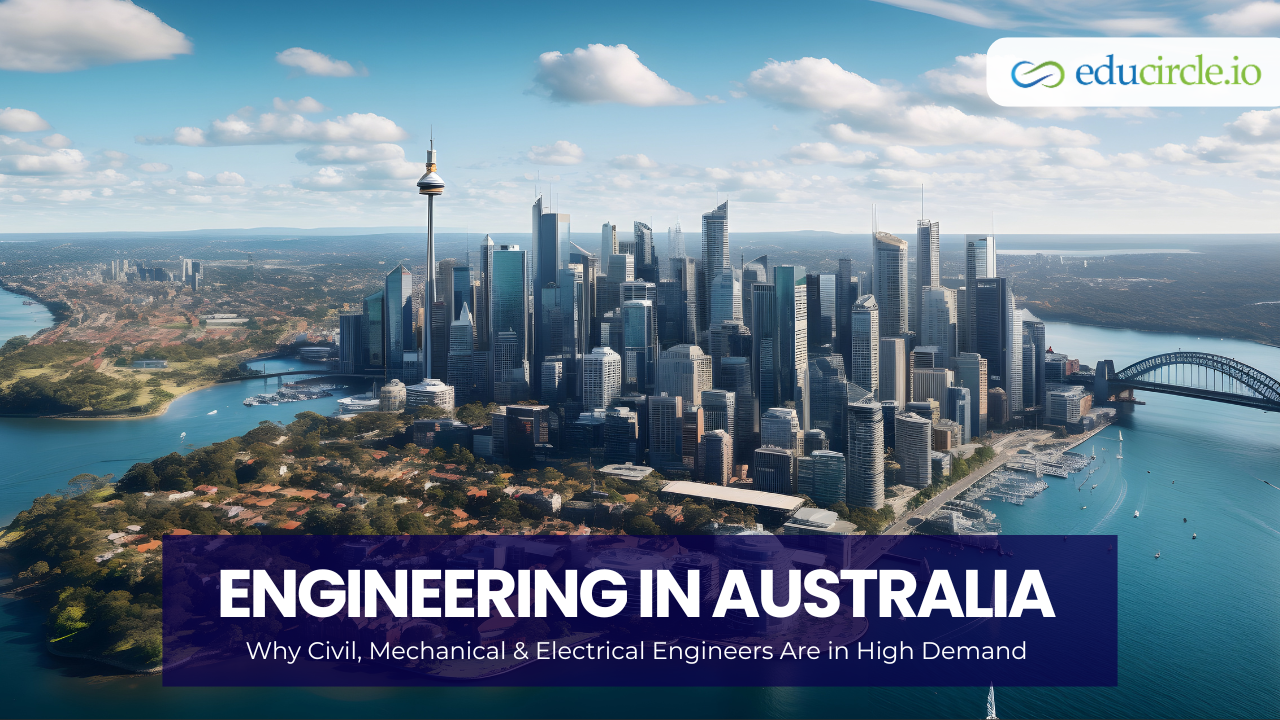
Engineering in Australia: Why Civil, Mechanical & Electrical Engineers Are in High Demand
Australia’s Engineering Boom Creates Exceptional Career Opportunities
Australia is experiencing one of the biggest engineering growth periods in its history. Massive investments in infrastructure, renewable energy, mining, and defence projects have created strong demand for skilled engineers across the country.
From major transport projects and housing developments to clean energy initiatives and the AUKUS defence program, employers are actively seeking qualified Civil, Mechanical, and Electrical Engineers. The demand has become so significant that all three engineering disciplines are included on Australia's Core Skills Occupation List (CSOL), providing attractive employment and migration opportunities for international graduates.
For students considering engineering as a career path, Australia offers competitive salaries, strong long-term career growth, and clear pathways to permanent residency.
Why Engineering Is in Demand Across Australia
Several major industries are driving the shortage of engineering professionals:
Infrastructure Development
Australia continues to invest heavily in roads, rail networks, tunnels, airports, housing projects, and public transport systems. Projects such as Western Sydney Airport, Inland Rail, Melbourne Metro Tunnel, and Brisbane Cross River Rail are generating thousands of engineering jobs.
Clean Energy Transition
The country's shift toward renewable energy has increased demand for engineers working in solar, wind, hydrogen, battery storage, and energy distribution systems.
Mining and Resources
Australia's mining sector remains one of the strongest contributors to the economy, requiring engineers for equipment design, infrastructure development, automation, and maintenance.
Defence and AUKUS
The AUKUS partnership and related defence investments are expected to create long-term opportunities for engineers involved in shipbuilding, advanced manufacturing, infrastructure, and defence technologies.
Civil Engineering in Australia
Civil Engineering remains one of the broadest and most employable engineering disciplines in Australia.
Civil Engineers are responsible for designing, planning, and managing the construction of roads, bridges, tunnels, water systems, buildings, and large-scale infrastructure projects.
Typical Salary Range
| Career Stage | Annual Salary |
|---|---|
| Graduate | AUD $65,000 – $85,000 |
| Mid-Career | AUD $90,000 – $130,000 |
| Senior/Chartered | AUD $130,000 – $175,000+ |
Best Cities for Civil Engineers
- Sydney
- Melbourne
- Brisbane
- Perth
- Newcastle
Brisbane is seeing significant growth due to preparations for the 2032 Olympic Games, while Sydney and Melbourne continue to lead in urban infrastructure and housing projects.
Mechanical Engineering in Australia
Mechanical Engineers play a critical role in manufacturing, mining, energy production, defence, and industrial automation.
The clean energy transition has expanded opportunities in hydrogen production, battery manufacturing, renewable energy systems, and advanced industrial processes.
Typical Salary Range
| Career Stage | Annual Salary |
| Graduate | AUD $70,000 – $90,000 |
| Mid-Career | AUD $95,000 – $130,000 |
| Senior/FIFO Roles | AUD $130,000 – $200,000+ |
FIFO (Fly-In Fly-Out) positions, particularly in Western Australia and Queensland, often offer additional allowances and bonuses that significantly increase earnings.
Key Employment Sectors
- Mining
- Manufacturing
- Defence
- Renewable Energy
- Industrial Automation
Electrical Engineering in Australia
Electrical Engineering has become one of the most sought-after engineering specialisations due to Australia's growing investment in energy infrastructure and technology.
Electrical Engineers are heavily involved in:
- Renewable energy systems
- High-voltage power networks
- Data centres
- Mining operations
- Smart grid technologies
- Electrification projects
Typical Salary Range
| Career Stage | Annual Salary |
| Graduate | AUD $73,000 – $90,000 |
| Experienced Professional | AUD $96,000 – $164,000+ |
Professionals specialising in power systems, renewable energy integration, and mining electrical systems often command the highest salaries.
Best Australian Cities for Engineering Careers
Sydney
Australia's largest engineering job market with significant infrastructure investment and major construction projects.
Melbourne
Strong opportunities in manufacturing, renewable technologies, automotive innovation, and research.
Perth
Excellent earning potential through mining and resource sector projects, including high-paying FIFO roles.
Brisbane
Rapid growth driven by infrastructure development and Olympic-related projects.
Newcastle
Emerging hub for clean energy, hydrogen production, and advanced engineering research.
Adelaide
A leading destination for defence engineering opportunities linked to AUKUS and shipbuilding initiatives.
Engineering Migration Pathways in Australia
One of the major advantages of studying engineering in Australia is the strong migration pathway available to qualified graduates.
All major engineering disciplines currently appear on Australia's Core Skills Occupation List (CSOL), making them attractive options for students seeking long-term career opportunities.
Skills Assessment
To work and migrate as an engineer in Australia, graduates typically need a positive skills assessment from Engineers Australia.
This process requires submission of a:
- Competency Demonstration Report (CDR)
- Academic qualifications
- Employment evidence (if applicable)
Students are strongly encouraged to prepare for the CDR process during their studies rather than after graduation.
Post-Study Work Opportunities
International students who complete an eligible engineering qualification may qualify for post-study work rights.
Post-Study Work Visa
- Bachelor's Degree: Up to 2 years
- Master's by Research: Up to 3 years
This period allows graduates to gain valuable Australian work experience and strengthen future migration opportunities.
What International Students Should Know
Engineering remains one of the most popular choices among international students because of its combination of:
- Strong employment demand
- Competitive salaries
- Clear migration pathways
- Long-term career stability
However, graduate positions in major cities can be highly competitive. Students who complete internships, industry placements, and practical projects during their studies generally enjoy better employment outcomes.
Regional opportunities and FIFO positions can also provide faster entry into the workforce, although they may involve lifestyle adjustments.
Final Verdict
Engineering is one of Australia's strongest career pathways for international students. Demand is being driven by infrastructure expansion, renewable energy investments, mining growth, and defence projects.
Whether you choose Civil, Mechanical, or Electrical Engineering, the key to success is selecting the right specialisation, gaining practical experience during your studies, and aligning your career goals with industries experiencing long-term growth.
For students seeking a future-focused qualification with strong employment prospects and migration opportunities, engineering continues to be one of the most valuable study choices in Australia.
Study Australia by Course Series
This article is part of Educircle's Study Australia by Course series, helping international students make informed decisions about where to study, what to study, and how those choices influence future career outcomes in Australia.