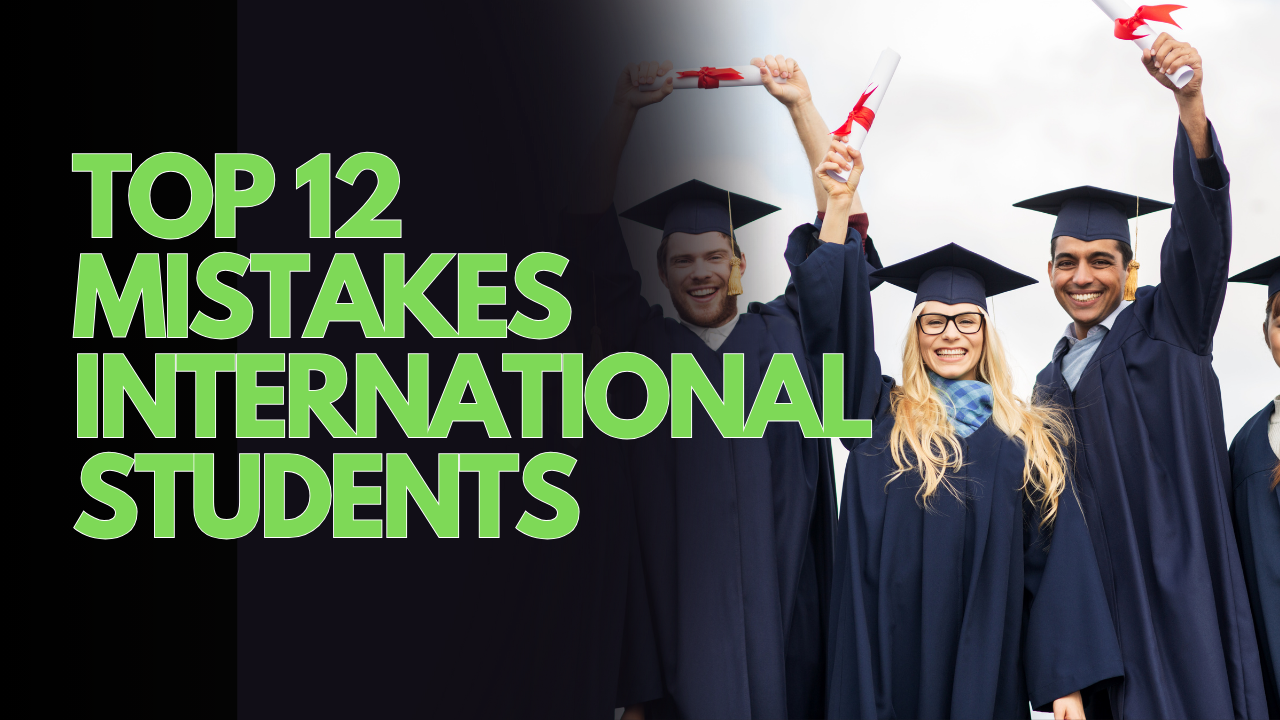
Australia remains one of the world’s most popular destinations for international education, attracting students from Asia, Africa, the Middle East, Europe, and Latin America every year. With globally recognized universities, post-study work opportunities, and a high quality of life, the appeal is undeniable.
Yet, despite strong academic potential, many international students struggle — not because they lack ability, but because of poor planning decisions made early in their study journey.
Based on years of hands-on experience with Australian universities, visa frameworks, and student outcomes, Educircle has identified the most common mistakes students make — and how to avoid them.
1. Choosing a Course Without Understanding Career Outcomes
One of the biggest mistakes students make is choosing a course based on popularity or peer influence rather than employability.
A degree must lead to:
-
Clear job roles
-
Industry relevance
-
Alignment with the student’s academic background
Without this clarity, students often graduate with qualifications that are difficult to justify to employers or immigration authorities.
Smart planning starts with career outcomes, not course names.
2. Selecting Universities Based Only on Rankings
University rankings are often misleading when used in isolation.
A higher rank does not always mean:
-
Better teaching quality
-
Stronger industry connections
-
Higher visa approval success
In many cases, course structure, accreditation, internship options, and progression pathways matter far more than global rankings.
3. Ignoring Visa Strategy While Shortlisting Universities
Many students treat visa requirements as the last step in the process. This is a costly mistake.
Visa assessment considers:
-
Course relevance to prior studies
-
Logical academic progression
-
Genuine student intent
Shortlisting without a visa strategy often results in refusals — even with good academics.
4. Underestimating Living Costs
Tuition fees are only part of the financial picture.
Students frequently underestimate:
-
Rent and accommodation
-
Public transport
-
Food and utilities
-
Health insurance and personal expenses
Costs vary significantly between cities like Sydney, Melbourne, Adelaide, and regional areas. Poor budgeting leads to stress and academic distraction.
5. Weak GS or SOP Preparation
A Generic Statement of Purpose (SOP) or Genuine Student (GS) statement is one of the fastest ways to invite a visa refusal.
Immigration officers expect:
-
Personal academic reasoning
-
Clear career goals
-
Strong home-country or global intent
Copy-paste templates simply don’t work anymore.
6. Applying Too Late
Late applications:
-
Reduce course availability
-
Limit scholarship options
-
Increase visa processing pressure
Many students lose entire intakes simply because they started planning too late.
Early planning equals more choices and less risk.
7. Trusting Unverified Advice
Online forums, social media comments, and unregulated agents often provide outdated or incorrect information.
Each student’s profile is unique. What worked for someone else may result in refusal for you.
8. Misunderstanding Work Rights
Part-time work in Australia is meant to support living expenses, not replace tuition funding.
Relying heavily on work income:
-
Raises visa concerns
-
Impacts academic performance
-
Leads to compliance risks
Education must always remain the primary purpose.
9. Poor Financial Documentation
Even students with sufficient funds face refusals due to:
-
Unclear fund sources
-
Weak financial history
-
Illogical sponsorship structures
Funds must be genuine, traceable, and reasonable.
10. No Post-Study Plan
Visa officers expect students to clearly articulate:
-
How the qualification will be used
-
Career plans after graduation
-
Long-term professional direction
A missing or vague post-study plan weakens both visa and career outcomes.
11. Ignoring Visa Compliance Rules
Many students unknowingly violate conditions related to:
-
Attendance requirements
-
Academic progress
-
Work-hour limits
Even minor breaches can affect future visas, extensions, or permanent residency pathways.
12. Not Seeking Professional Guidance
Perhaps the most avoidable mistake of all.
Professional guidance:
-
Reduces visa risk
-
Improves course selection
-
Aligns education with career outcomes
Students who plan holistically consistently achieve better results — academically, professionally, and legally.
Final Thoughts
Studying in Australia is a life-changing opportunity — but only when planned correctly.
At Educircle, students are guided through the entire journey:
-
Strategic course selection
-
University shortlisting
-
Visa planning
-
Career-focused outcomes
Because success abroad is not about luck — it’s about informed decisions.